
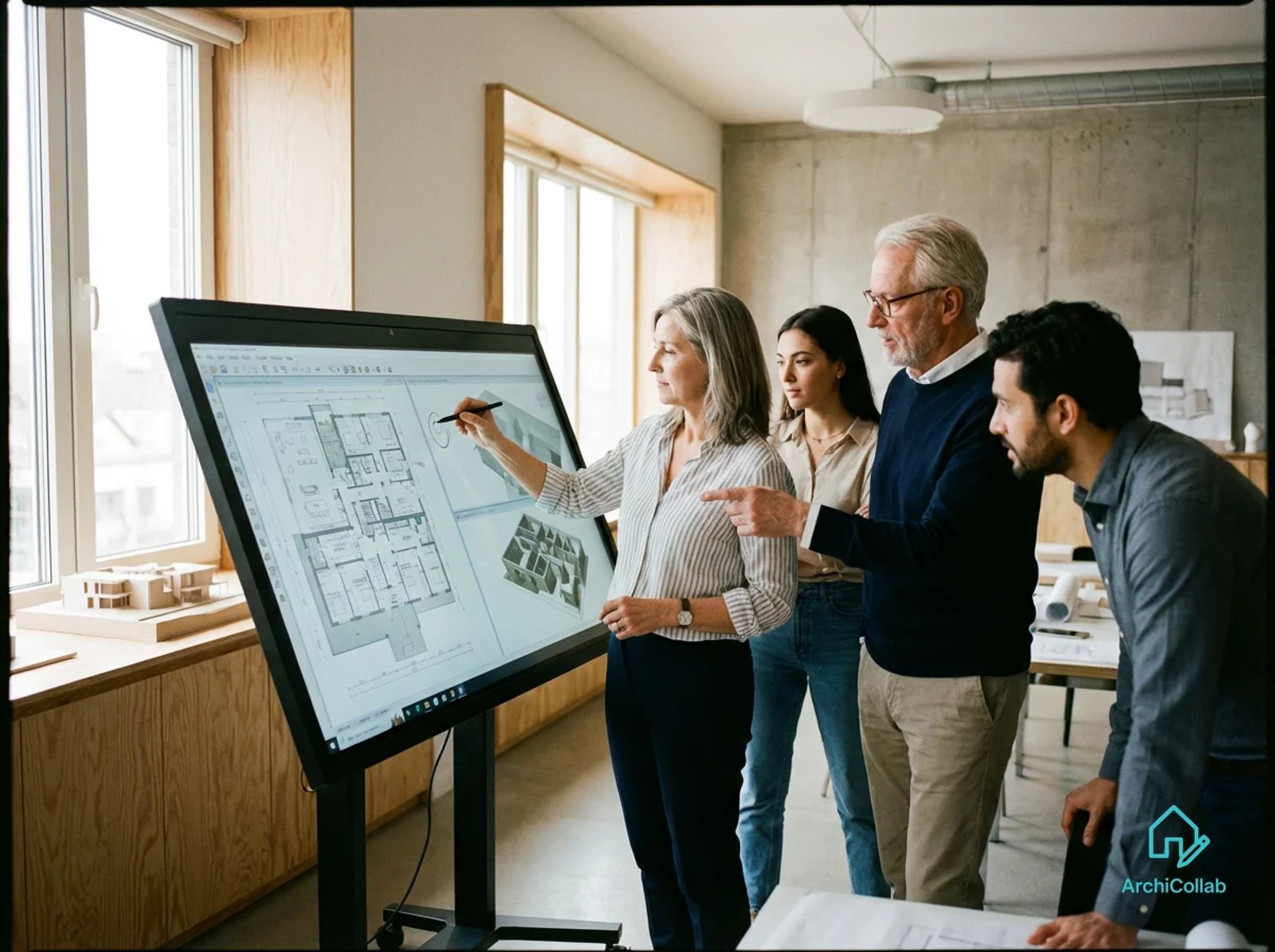
In the fast-paced world of architecture, where creativity meets complexity, the ability to work together efficiently is paramount. Gone are the days of endless email chains, conflicting file versions, and communication breakdowns slowing down critical projects. Today, modern architecture firms are embracing real-time collaboration as the cornerstone of their operations, transforming how design ideas are conceived, developed, and delivered.
This guide delves into the essence of mastering real-time collaboration, offering practical insights and strategies for architects and project managers looking to elevate their firm's efficiency, design quality, and overall project success.
The Imperative of Real-Time Collaboration in Architecture Today
The architectural landscape has evolved dramatically. Projects are increasingly complex, involving multidisciplinary teams, diverse stakeholders, and tight deadlines. Client expectations for responsiveness and transparency are at an all-time high. Add to this the rise of distributed teams and remote work, and the traditional methods of collaboration simply can't keep pace.
• Complexity Demands Agility: Modern buildings often integrate advanced systems, sustainable features, and intricate designs. This complexity requires continuous input and rapid decision-making across various specialisms.
• Globalized Teams: Firms increasingly work with talent scattered across different geographies, making instantaneous communication and shared access to project data non-negotiable.
• Client Expectations: Clients expect to be informed and involved throughout the design process, demanding quicker turnarounds and the ability to visualize changes almost instantly.
• Competitive Edge: Firms that can deliver projects faster, with fewer errors, and a more collaborative client experience gain a significant competitive advantage.
Real-time collaboration isn't just a trend; it's a fundamental shift in how architectural projects are managed and executed, driving innovation and efficiency at every stage.
Key Pillars of Effective Real-Time Collaboration
To truly master real-time collaboration, firms must understand and leverage its core components. These pillars work in concert to create a seamless, integrated workflow.
Instant Plan Sharing & Co-creation
At the heart of real-time architectural collaboration is the ability to share and work on design documents simultaneously. Traditional methods often involve sending large files back and forth, leading to delays and confusion over which is the latest version.
With advanced plan sharing platforms, all team members, regardless of their location, can access the same up-to-date drawings, models, and specifications. Imagine a structural engineer, an MEP specialist, and the lead architect reviewing a 3D model concurrently, each making their contributions or raising concerns directly within the shared environment. This synchronous workflow accelerates decision-making, reduces misinterpretations, and fosters a sense of collective ownership over the design.
• Synchronized Access: Everyone sees the latest design intent as it evolves.
• Multi-user Editing: Specific tools allow multiple users to work on different aspects of a single file simultaneously, preventing bottlenecks.
• Reduced Duplication: Eliminates the need to create and manage multiple copies of files.
Streamlined Annotations & Feedback
Effective communication is the lifeblood of any successful project. In architecture, this often translates to clear, contextual feedback on drawings and models. Annotations are critical for conveying specific instructions, highlighting areas of concern, or suggesting design improvements directly on the relevant design element.
Real-time annotation tools allow team members and stakeholders to add comments, markups, dimensions, and even sketches directly onto digital plans. This feedback is instantly visible to others, enabling rapid responses and iterative design cycles. Instead of compiling lists of changes from various emails or phone calls, all feedback is centralized and visually linked to the design component it refers to.
• Contextual Feedback: Comments are tied directly to specific parts of the plan, eliminating ambiguity.
• Visual Communication: Use different colors, shapes, and text to differentiate types of feedback or contributors.
• Traceability: A clear record of who said what, when, and where, enhances accountability.
Robust Version Control & History
One of the most significant challenges in traditional collaboration is managing different iterations of designs. Without proper version control, it's easy to lose critical design developments, overwrite important changes, or work on outdated files. This can lead to costly rework and project delays.
Real-time collaboration platforms excel in maintaining a comprehensive history of all changes. Every save, every modification, every revision is automatically logged and timestamped. This means you can:
• Track Every Change: See who made what changes and when, providing full transparency.
• Roll Back to Previous Versions: Easily revert to an earlier stage of the design if a new direction proves unfeasible.
• Compare Versions: Visually compare different iterations of a plan to understand the evolution of the design and pinpoint specific modifications.
• Audit Trail: Maintain a clear audit trail for compliance and dispute resolution.
This robust system ensures that no work is ever truly lost, providing peace of mind and significantly reducing risk.
Enhanced Teamwork & Communication
Beyond just files, real-time collaboration fosters a stronger sense of teamwork and improves overall communication flow. Integrated communication features within collaboration platforms transform how project teams interact.
• Integrated Comments & Chat: Instead of relying solely on email, teams can engage in direct discussions within the project environment. This ensures that comments and conversations are always contextual and easily accessible to all relevant parties.
• Task Management Integration: Assign tasks, set deadlines, and track progress directly within the same platform where designs are being developed. This clarifies responsibilities and ensures accountability.
• Shared Dashboards & Notifications: Keep everyone informed of project status, upcoming deadlines, and new feedback through centralized dashboards and automated notifications.
• Virtual Meetings & Presentations: Conduct design reviews and client presentations directly within the platform, utilizing screen sharing and live annotation tools to facilitate dynamic discussions.
By centralizing communication and task management alongside design files, firms can build a more cohesive and productive team environment.
Efficient Revision Management
The design process is inherently iterative, involving countless revisions based on client feedback, regulatory requirements, and internal design critiques. Managing these revisions efficiently is crucial to staying on schedule and budget.
Real-time collaboration tools streamline the entire revision process:
• Centralized Feedback Loop: All feedback, whether from clients or internal teams, is collected in one place, making it easy to review and prioritize.
• Actionable Insights: Convert comments and annotations directly into actionable tasks, assigning them to team members for resolution.
• Track Revision Status: Monitor the status of each revision – pending, in progress, or completed – ensuring nothing falls through the cracks.
• Client Portals: Provide clients with a secure, intuitive portal to review designs, add their comments, and approve revisions, fostering transparency and trust.
This systematic approach to revision management minimizes errors, accelerates design approval, and keeps projects moving forward smoothly.
Implementing Real-Time Collaboration: Practical Steps for Your Firm
Adopting real-time collaboration is a journey that requires careful planning and execution.
1. Choosing the Right Tools
The market offers a variety of powerful collaboration platforms designed for the AEC industry. When evaluating options, consider features like:
• Compatibility: Does it integrate with your existing CAD/BIM software?
• Security: How robust are its data security and privacy measures?
• Scalability: Can it grow with your firm and handle increasingly complex projects?
• User-Friendliness: Is it intuitive enough for your team and clients to adopt quickly?
• Specific Architectural Features: Look for tools tailored to architectural workflows, offering features like advanced model viewing, markups on specific layers, and project dashboards.
For firms specifically looking for a robust, intuitive solution tailored for real-time architectural project collaboration, platforms like ArchiCollab offer specialized features that integrate seamlessly into design and project management workflows, fostering efficiency and precision.
2. Developing Clear Protocols
Technology alone isn't enough; your firm needs clear guidelines on how to use it.
• Naming Conventions: Establish consistent file naming and folder structures.
• Feedback Workflow: Define who provides feedback, how it's submitted (e.g., using specific annotation tools), and who is responsible for addressing it.
• Version Tagging: Agree on a system for tagging significant versions (e.g., "Client Review 1," "Permit Submission").
• Communication Channels: Specify when to use integrated chat vs. formal documentation.
3. Training and Adoption
Successful implementation hinges on your team's willingness and ability to adopt new tools and workflows.
• Comprehensive Training: Provide hands-on training sessions for all users, focusing on practical scenarios relevant to their roles.
• Champion Users: Identify internal champions who can support their colleagues and advocate for the new system.
• Phased Rollout: Consider a phased approach, starting with a pilot project or a smaller team, to iron out kinks before a firm-wide rollout.
• Continuous Feedback: Encourage team members to provide feedback on the new system and be prepared to iterate on your protocols.
4. Measuring Success
Define key performance indicators (KPIs) to track the impact of real-time collaboration.
• Project Delivery Time: Are projects being completed faster?
• Rework Reduction: Has the amount of rework due to miscommunication or version conflicts decreased?
• Client Satisfaction: Are clients reporting a more transparent and collaborative experience?
• Team Productivity: Are teams spending less time on administrative tasks and more time on design?
Benefits Beyond Efficiency
Mastering real-time collaboration brings a host of benefits that extend far beyond simple efficiency gains:
• Improved Design Quality: Faster feedback loops and clearer communication lead to more thoughtful iterations and ultimately, better design outcomes.
• Reduced Errors and Rework: By minimizing miscommunication and ensuring everyone works from the latest information, costly mistakes are significantly reduced.
• Faster Project Delivery: Streamlined workflows, quicker decision-making,