
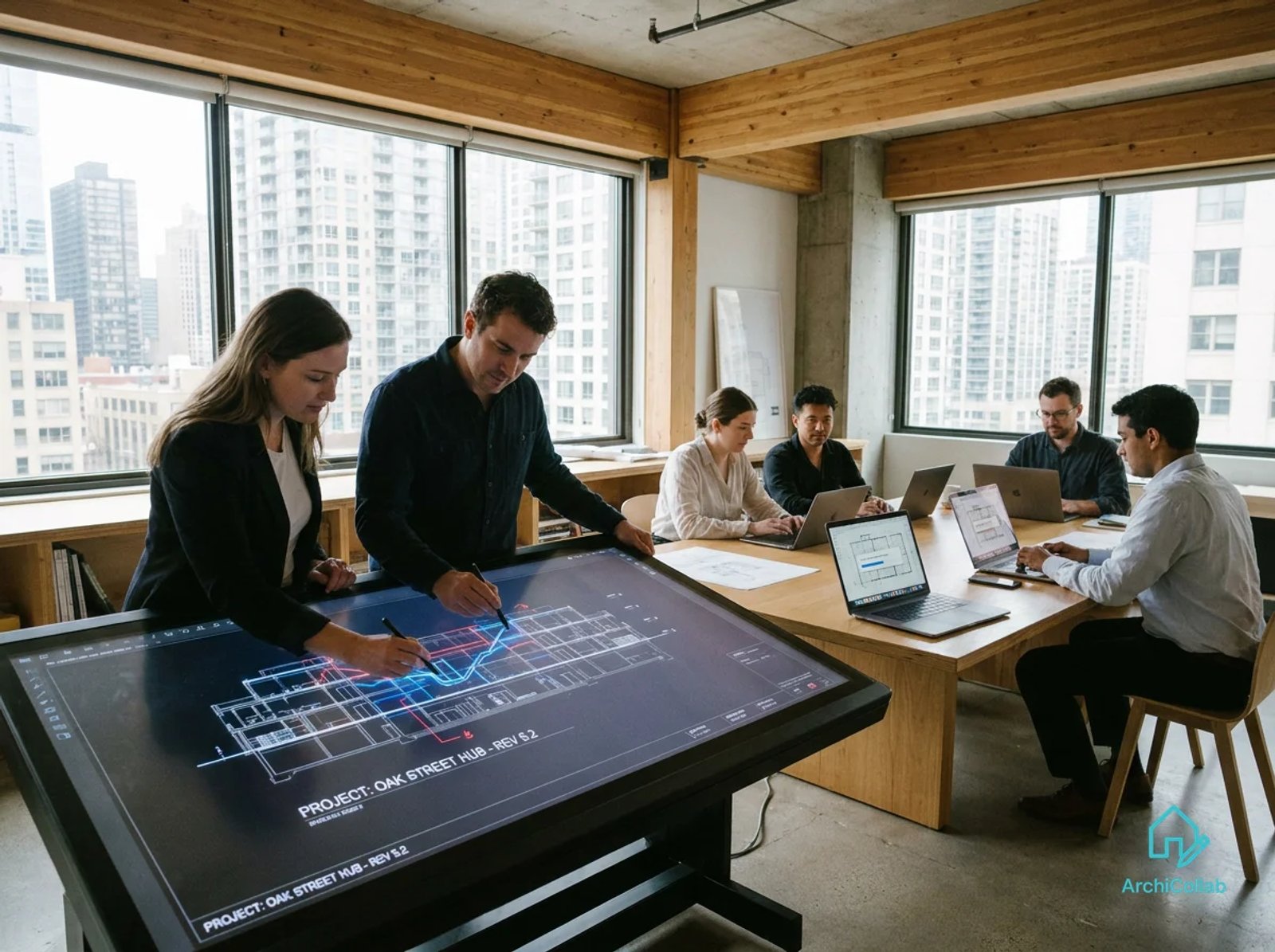
In the fast-paced world of architecture, efficiency and precision are not just buzzwords; they are prerequisites for success. For decades, architects and project managers have relied on Autodesk Revit as the industry standard for BIM (Building Information Modeling). However, traditional Revit workflows, often characterized by file-based worksharing, have inherent limitations that can stifle creativity, introduce delays, and complicate project coordination.
Imagine a world where your entire team—architects, engineers, and even clients—can simultaneously work on the same 3D model, seeing updates in real-time, discussing changes instantly, and making design decisions together, without the constant friction of saving, syncing, and waiting. This isn't a futuristic fantasy; it's the reality offered by real-time Revit collaboration, and it's poised to revolutionize how architectural firms approach design and project delivery.
This article will explore the transformative power of real-time collaboration, detailing how it enhances 3D model co-creation, streamlines workflows, and significantly boosts overall project efficiency. We’ll delve into practical strategies, highlight key benefits, and discuss how adopting such a workflow can give your firm a significant competitive edge.
The Traditional Revit Collaboration Bottleneck: Why Old Ways Fall Short
Before we dive into the solutions, let's acknowledge the pain points many architecture firms still experience with conventional Revit collaboration:
• File-Based Dependence: The classic "central model" approach requires users to save their local copies and synchronize with the central file. This process is prone to errors, can be time-consuming, and often leads to frustrating "out of date" messages or conflicts.
• Version Control Nightmares: Keeping track of who made what change and when, especially when multiple people are working on different aspects, can be a headache. Reverting to previous versions or understanding the history of a specific element often involves complex manual tracking.
• Communication Gaps: Disconnected communication channels (email, chat, phone calls) often fail to keep pace with rapid design iterations. Decisions made verbally might not be immediately reflected or understood within the context of the 3D model, leading to misunderstandings and rework.
• Slow Coordination: Identifying and resolving clashes or conflicts across disciplines (structural, MEP) becomes a reactive, rather than proactive, process. Exchanging IFC files and running clash detection reports are critical, but they often happen in batches, introducing delays.
• Limited Accessibility: Accessing the central model often requires specific network configurations or VPNs, hindering remote work and making collaboration with external partners more cumbersome.
These challenges, while familiar, are ultimately roadblocks to efficiency and innovative design. They consume valuable project hours, increase the risk of errors, and can detract from the creative process that architects cherish.
What Defines Real-Time Revit Collaboration?
Real-time Revit collaboration goes beyond traditional worksharing. It refers to a system where multiple users can simultaneously access, view, and modify the same Revit 3D model in a shared, cloud-based environment, with changes reflected instantly across all participants' screens.
Unlike worksharing, which relies on local file synchronization with a central file, real-time collaboration often utilizes a direct connection to a cloud-hosted model. This eliminates the need for manual saving and syncing, providing a seamless, continuously updated design environment.
Key characteristics include:
• Simultaneous Access: Multiple users actively working on the same model at the exact same time.
• Instant Updates: Changes made by one user are immediately visible to all other collaborators.
• Cloud-Based Infrastructure: The model resides in the cloud, offering accessibility from anywhere with an internet connection.
• Integrated Communication: Tools for chat, markups, and issue tracking are often embedded directly within the collaborative environment.
This paradigm shift fundamentally changes how teams interact with their BIM models, fostering a more dynamic and integrated design process.
Key Benefits: Boosting 3D Model Co-Creation and Efficiency
Embracing real-time Revit collaboration unlocks a multitude of advantages for architectural firms:
1. Enhanced 3D Model Co-Creation: Design Together, Seamlessly
The most direct impact is on the ability to co-create. Imagine your lead designer working on the façade while a junior architect details interior spaces, and a project manager reviews overall progress—all within the same model, simultaneously.
• Simultaneous Editing: No more waiting for colleagues to "release" worksets. Everyone can contribute to the 3D model concurrently, drastically accelerating design development.
• Faster Iteration and Exploration: Architects can experiment with design options more rapidly, receiving instant feedback from team members. This iterative process leads to more refined and innovative designs.
• Reduced Design Conflicts: By seeing changes as they happen, potential clashes or design inconsistencies can be identified and resolved on the fly, long before they become critical issues.
• Improved Design Quality: The collective intelligence of the team is harnessed more effectively, leading to a higher quality, more thoroughly considered final design.
2. Unparalleled Efficiency and Productivity: Time is Money
Time saved is arguably the most tangible benefit. Every minute not spent waiting for synchronization, resolving version conflicts, or communicating through fragmented channels translates directly into increased productivity.
• Eliminate Wait Times: Say goodbye to "saving to central" and "syncing with central" delays. Work flows continuously.
• Streamlined Workflows: Less administrative overhead means more time for actual design work. Tasks like model management become less burdensome.
• Accelerated Project Delivery: Faster design cycles and fewer coordination issues mean projects can progress more quickly, helping firms meet tighter deadlines and deliver projects ahead of schedule.
• Optimized Resource Allocation: Project managers can better utilize team members, assigning tasks that can be performed simultaneously, thereby maximizing human capital.
3. Superior Coordination and Communication: The Heart of Collaboration
Effective coordination is paramount in complex architectural projects. Real-time tools elevate this by integrating communication directly into the design environment.
• Integrated Communication: Many platforms offer built-in chat, commenting, and markup tools. This allows teams to discuss specific elements or areas of the 3D model directly within the context of the design.
• Visualizing Changes Instantly: Seeing changes as they occur fosters a deeper understanding of impacts across disciplines. An engineer can immediately see how an architectural modification might affect their structural or MEP systems.
• Proactive Issue Resolution: Rather than reacting to clashes discovered during weekly coordination meetings, issues can be identified and addressed immediately, preventing costly rework down the line.
• Enhanced Stakeholder Engagement: Clients and external consultants can be invited to view the 3D model in real-time, providing immediate feedback and ensuring alignment throughout the design process.
4. Better Data Management and Version Control: A Single Source of Truth
Maintaining data integrity and a clear project history is crucial. Real-time platforms offer robust solutions:
• Automatic Saving and Version History: Most real-time platforms automatically save changes and maintain a comprehensive version history, making it easy to track modifications and revert if necessary.
• Single Source of Truth: Everyone works on the same, up-to-date model, eliminating confusion caused by outdated local copies or fragmented data.
• Reduced Risk of Data Loss: Cloud-based solutions often include redundant backups, providing greater security for your valuable project data.
5. Seamless Interoperability and Open BIM: Connecting Disciplines
Modern architectural projects demand seamless exchange of information between diverse software and disciplines. Real-time collaboration platforms are often built with interoperability in mind.
• IFC Support: Many platforms inherently support the import and export of IFC (Industry Foundation Classes) files, facilitating data exchange with non-Revit users and promoting an Open BIM approach.
• Integration with Other Tools: The best platforms integrate with other essential project management, clash detection, and rendering tools, creating a truly unified workflow. This ensures that the 3D model remains central to all project activities, regardless of the software used by different team members or consultants.
Practical Strategies for Implementing Real-Time Revit Collaboration
Transitioning to a real-time collaborative environment requires more than just software; it demands a shift in mindset and workflow. Here’s how architecture professionals can successfully adopt it:
1. Choose the Right Platform
Not all cloud-based solutions are created equal. Look for platforms specifically designed for real-time BIM collaboration that offer:
• Robust Revit Integration: Seamless connection with your existing Revit files and workflows.
*